
Development programs operating in India's complex and diverse landscape require monitoring, evaluation, and learning systems capable of generating rigorous evidence across geographies, populations, and implementation contexts. As government agencies, multilateral donors, foundations, and corporate social responsibility initiatives scale interventions in education, health, livelihoods, and governance, the demand for methodologically robust MEL frameworks has intensified.
Outline India, founded in 2012, provides monitoring, evaluation, and learning consultancy services designed to meet the due diligence and evidence requirements of institutional funders and program implementers. With active data collection operations across 27 states and 4 union territories and primary data collection capabilities in 15+ languages, our MEL practice combines academic rigor with ground-level operational infrastructure. We design and implement theory-driven evaluation frameworks, deploy mixed-methods data collection systems, and establish real-time learning mechanisms that enable program teams to assess outcomes and make evidence-informed adjustments throughout the program lifecycle.
Our sectoral expertise spans education and skill development, health and nutrition, livelihood and financial inclusion, and governance and social protection—domains where we have conducted baseline, midline, and endline evaluations. This depth of sector-specific experience, coupled with methodological capabilities ranging from randomized control trials to contribution analysis, positions Outline India as a MEL partner capable of addressing the technical and logistical complexities inherent in evaluating development programs across India's varied contexts.
Our Monitoring, Evaluation & Learning Approach
Theory-Driven MEL Design
We begin each MEL engagement by working with program teams to articulate explicit theories of change that map the causal pathways between program activities, outputs, outcomes, and intended impacts, identifying underlying assumptions and specifying intermediate outcomes that serve as markers of progress. For programs operating in adaptive or emergent contexts where linear theories of change may be insufficient, we employ outcome harvesting and contribution analysis methodologies that allow for identification and verification of outcomes without requiring predetermined indicators—particularly valuable for governance interventions and systems-strengthening initiatives.
Mixed-Methods Data Collection Infrastructure
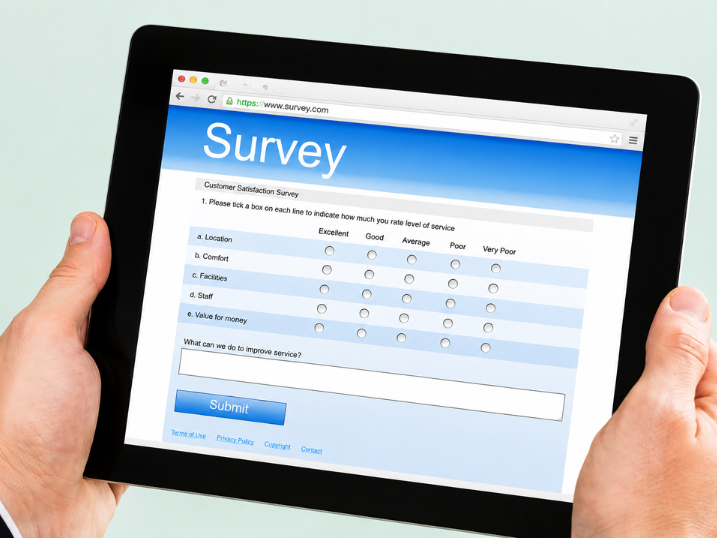
Outline India's MEL practice is supported by primary data collection infrastructure enabling implementation of large-scale quantitative surveys alongside qualitative inquiry. Our CAPI (Computer-Assisted Personal Interviewing) and CATI (Computer-Assisted Telephone Interviewing) systems allow for real-time data capture, automated skip logic, multilingual questionnaire programming, and built-in quality checks, deployed through a trained field enumerator network with experience in household surveys, facility assessments, and stakeholder consultations across rural and urban contexts.
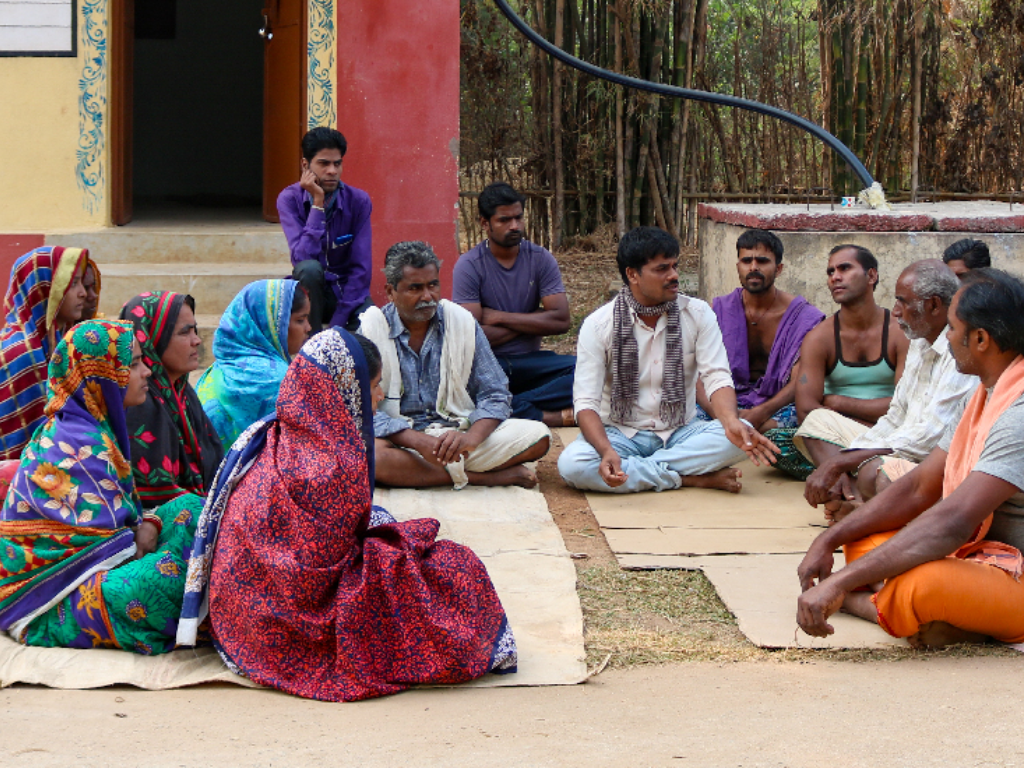
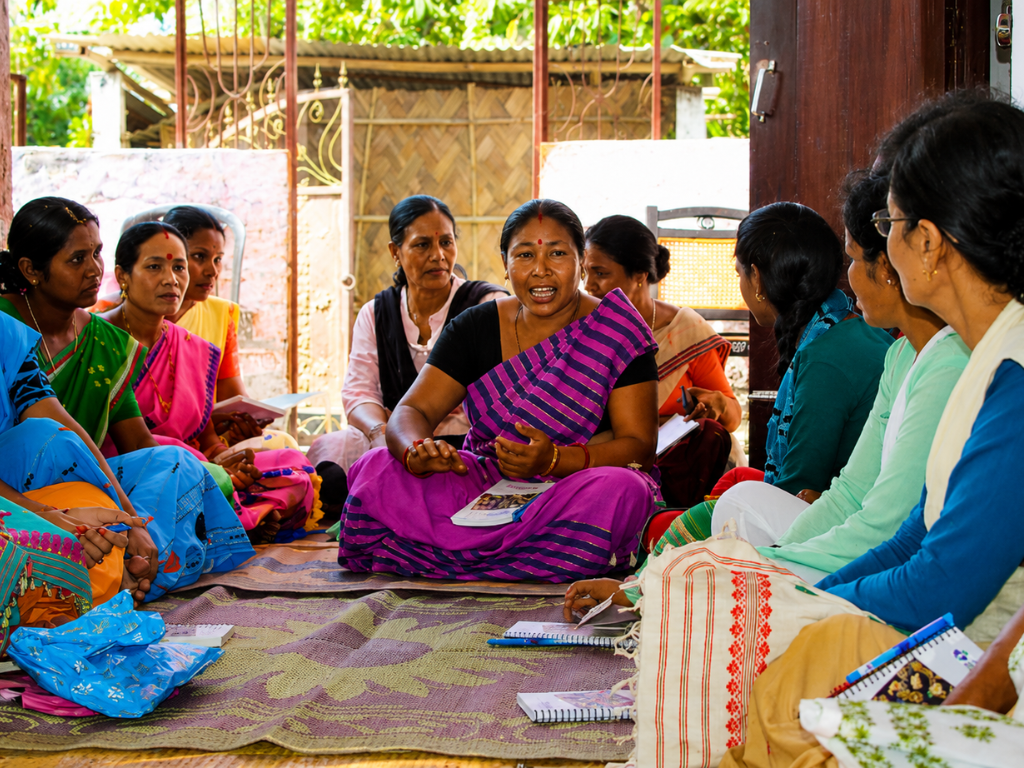
Complementing quantitative data collection, our qualitative research capabilities include in-depth interviews, focus group discussions, participatory rural appraisal techniques, and ethnographic observation. For process evaluations, we deploy implementation research methodologies combining administrative data review, key informant interviews, and direct observation of service delivery to assess fidelity, reach, and operational bottlenecks.
Real-Time Learning Systems and Adaptive Management
We design MEL systems that incorporate learning agendas, establish feedback loops between data collection and program implementation, and create mechanisms for ongoing reflection and adaptation—including dashboards that visualize key monitoring indicators, quarterly learning reviews, and rapid-cycle evaluations focused on specific program components. Our approach to utilization-focused evaluation ensures MEL activities are designed with explicit attention to how findings will be used, by whom, and for what decisions, including structured engagement with primary intended users throughout the evaluation process.
Sector-Specific MEL Expertise
In "education and skill development", we conduct evaluations measuring learning outcomes through standardized and curriculum-based assessments, teaching practices through classroom observation protocols, and longer-term indicators including labor market outcomes. Our education evaluations have employed randomized control trial designs to assess pedagogical interventions and difference-in-differences analysis to evaluate school infrastructure programs. For skill development programs, our MEL frameworks track placement rates, earnings trajectories, and skill retention, including tracer studies following participants post-program completion.
In "health and nutrition", evaluations measure anthropometric indicators, anemia prevalence, immunization coverage, and health-seeking behaviors. Methodologically, we have implemented cluster randomized trials for community-based nutrition interventions and contribution analysis for complex health systems programs with multiple implementing partners.
In "livelihood and financial inclusion" , evaluations require measurement of income and expenditure patterns, asset accumulation, and enterprise performance for self-employment interventions, incorporating consumption-based poverty measures and resilience indicators. Financial inclusion evaluations examine account ownership and usage, savings behavior, and digital payment adoption.
In " governance and social protection", our MEL work evaluates social protection scheme coverage and benefit delivery, grievance redressal system effectiveness, and institutional capacity of implementing agencies. Given attribution challenges from multiple confounding factors and long causal chains, we employ contribution analysis and process tracing that maps mechanisms through which outcomes occurred.
MEL Service Offerings
Baseline, Midline & Endline Evaluations
Baseline evaluations establish pre-program conditions against which subsequent changes can be measured, documenting demographic and socioeconomic characteristics and contextual factors influencing implementation. Midline evaluations conducted during program implementation track progress toward outcome targets and identify implementation challenges requiring program adjustments. Endline evaluations measure final outcomes using instruments consistent with earlier rounds to enable valid comparison.
Impact Assessments
Our impact assessment designs include attention to statistical power, sample size requirements, threats to validity, and appropriate uncertainty quantification. Analysis plans specify primary and secondary outcomes, heterogeneity analysis across relevant subgroups, and multiple comparison adjustments when testing multiple hypotheses, with reports detailing methodology, assessing balance between treatment and comparison groups, and discussing limitations affecting interpretation.
Process Evaluation and Implementation Research
Our process evaluations employ implementation research frameworks that assess fidelity (whether the program was delivered as designed), reach (whether the program achieved intended coverage), dose (intensity of program exposure), and quality (standards of service delivery), combining administrative data review, program staff interviews, frontline worker surveys, and direct observation.
MEL Framework Development and Capacity Building
Beyond conducting specific evaluations, we partner with organizations to develop MEL frameworks that establish monitoring systems, evaluation plans, learning agendas, and organizational capacity for evidence-informed management. This includes articulation of program theories of change, indicator selection aligned with program logic, and design of monitoring information systems appropriate to client technical capacity—ranging from simple tracking templates to customized dashboards. Capacity building services include training for program staff on MEL concepts, indicator definition, data quality assurance, and results-based management.
Geographic and Operational Reach
Multi-State Primary Data Collection Network
Outline India maintains an active data collection presence across 27 states and 4 union territories, with established field networks and local partnerships enabling research implementation in diverse settings. Our field teams include enumerators with language capabilities spanning Hindi, Bengali, Tamil, Telugu, Marathi, Gujarati, Kannada, Malayalam, Odia, Assamese, Punjabi, Urdu, and numerous other regional languages and dialects. All data collection instruments are translated and back-translated following rigorous protocols and programmed into CAPI systems with language options.
Our operational infrastructure includes established processes for enumerator recruitment and training, local logistics coordination, community entry protocols respecting administrative hierarchies and social norms, and resolution of field-level challenges.
Remote and Hard-to-Reach Populations
Development programs frequently target populations in geographies presenting distinct access challenges—rural areas without reliable connectivity, tribal communities in Scheduled Areas, and urban informal settlements. Our field teams are trained to navigate these contexts while maintaining data quality and ethical research standards, including extended community engagement protocols where research involves marginalized or vulnerable populations.
Why Organizations Choose Outline India for MEL
Primary Data Collection at Scale
Outline India's core differentiator is demonstrated capability for primary data collection at scale across multiple Indian states and population types, providing the operational infrastructure necessary for large-scale baseline, midline, and endline evaluations requiring substantial sample sizes for adequate statistical power. This scale capacity enables evaluations of multi-state programs where uniform data collection protocols must be applied across diverse geographies, languages, and implementation contexts.
Our primary data collection capabilities encompass diverse data types including household surveys, facility assessments, learning assessments, anthropometric measurement, institutional interviews, and participatory methods, allowing mixed-methods evaluation designs that address both "did it work?" and "how and why?" evaluation questions.
Methodological Rigor and Academic Engagement
Outline India's research team includes professionals with training in economics, statistics, public policy, and social sciences, with methodological capabilities including experimental and quasi-experimental impact evaluation designs, multilevel statistical modeling, psychometric scale development, and mixed-methods integration. Methodological rigor is operationalized through systematic evaluation design processes including power calculations, development of detailed analysis plans prior to data collection, and documentation of methodology enabling replication.
Stakeholder Engagement and Utilization-Focused Evaluation
Evaluation delivers value not through reports but through use of findings to inform decisions, improve programs, and contribute to sectoral learning. We begin engagements with scoping discussions that surface stakeholder evaluation questions and decision contexts findings will inform. Throughout evaluation implementation, we maintain regular communication with program teams and funders, providing progress updates and conducting interim findings presentations that enable early evidence use.
---
Partner with Outline India for Monitoring, Evaluation, and Learning
Development programs deserve MEL partners who combine methodological rigor with practical understanding of implementation realities and the operational capacity to execute at scale across India's diverse contexts. Whether you are designing a new MEL framework, planning a baseline or endline evaluation, or seeking impact assessment using rigorous causal inference methods, Outline India offers the technical expertise, field infrastructure, and collaborative approach to meet your evidence needs.




David Angel Makel
IT ConsultantIt is a long established fact that a reader will be distracted by the readable content page looking at its layout point of using normal