
 outline india
Rigorous field data collection is the foundation of credible evidence in development research. When program officers, M&E leads, and research commissioners require primary data collection that can withstand methodological scrutiny and deliver actionable insights at scale, the choice of field partner becomes critical. Outline India, founded in 2012, operates as a methodologically rigorous field data collection company with national reach across India, deploying experienced enumerator networks and comprehensive quality assurance infrastructure to support foundations, multilateral agencies, CSR departments, and government ministries in generating reliable evidence for program design, monitoring and evaluation, and impact assessment.
Our approach to field data collection integrates research design support, technology-enabled data capture, multi-layered quality protocols, and end-to-end project management. Whether the requirement involves baseline surveys for impact evaluation, longitudinal studies tracking program participants over time, or rapid assessments in hard-to-reach populations, we configure field operations to meet the evidentiary standards expected by donors, academic partners, and policy stakeholders.
Our Field Data Collection Capabilities
Geographic Coverage and Field Team Scale
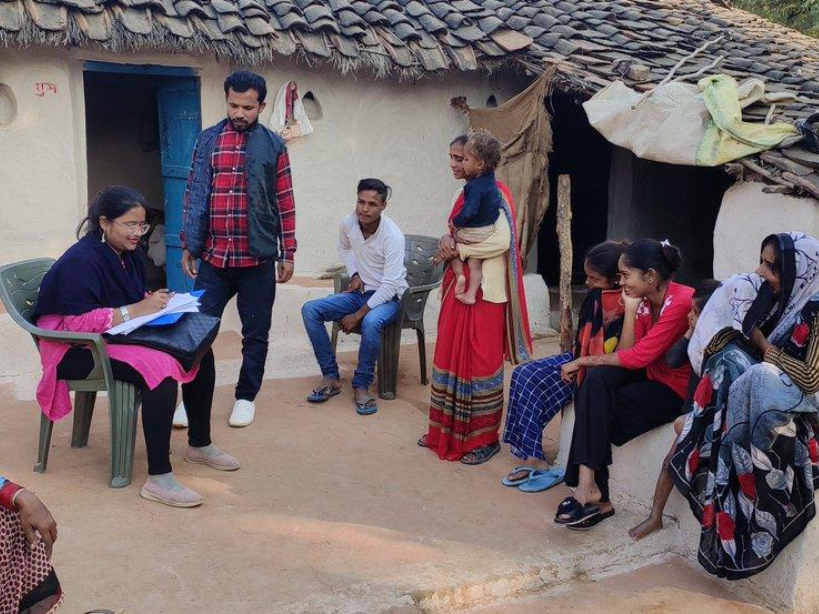
Outline India maintains field presence across 27 states and 4 union territories, enabling primary data collection in diverse geographic and socio-economic contexts—from remote tribal blocks in Chhattisgarh and Odisha to dense urban slums in Delhi, Mumbai, and Bengaluru. Our field network comprises trained enumerators recruited and vetted through state-level partnerships, academic institutions, and NGO networks. This distributed model allows us to rapidly mobilize teams with local linguistic competence and contextual knowledge, essential for building respondent trust and ensuring data quality.
Geographic reach extends beyond state capitals to district and block levels. For large-scale studies requiring enumeration across many districts simultaneously, we deploy regional supervisors who coordinate multi-district operations, manage logistics, and conduct real-time quality checks. Multilingual capacity is central to our field operations: enumerators are fluent in Hindi, English, and regional languages including Tamil, Telugu, Kannada, Marathi, Bengali, Gujarati, Odia, and Assamese, enabling informed consent processes and questionnaire administration in respondents' preferred languages.
Data Collection Methodologies We Deploy
We design and execute field data collection across quantitative, qualitative, and mixed-methods frameworks. Quantitative methods include household surveys, individual interviews, facility assessments (health clinics, schools, anganwadi centers), market surveys, and enterprise censuses. Sampling strategies are tailored to study objectives—probability-proportional-to-size (PPS) sampling for nationally representative surveys, stratified random sampling for sub-group analysis, and census enumeration when complete coverage is required. Our research design team supports clients in determining appropriate sample sizes through power calculations, accounting for design effects and anticipated attrition.
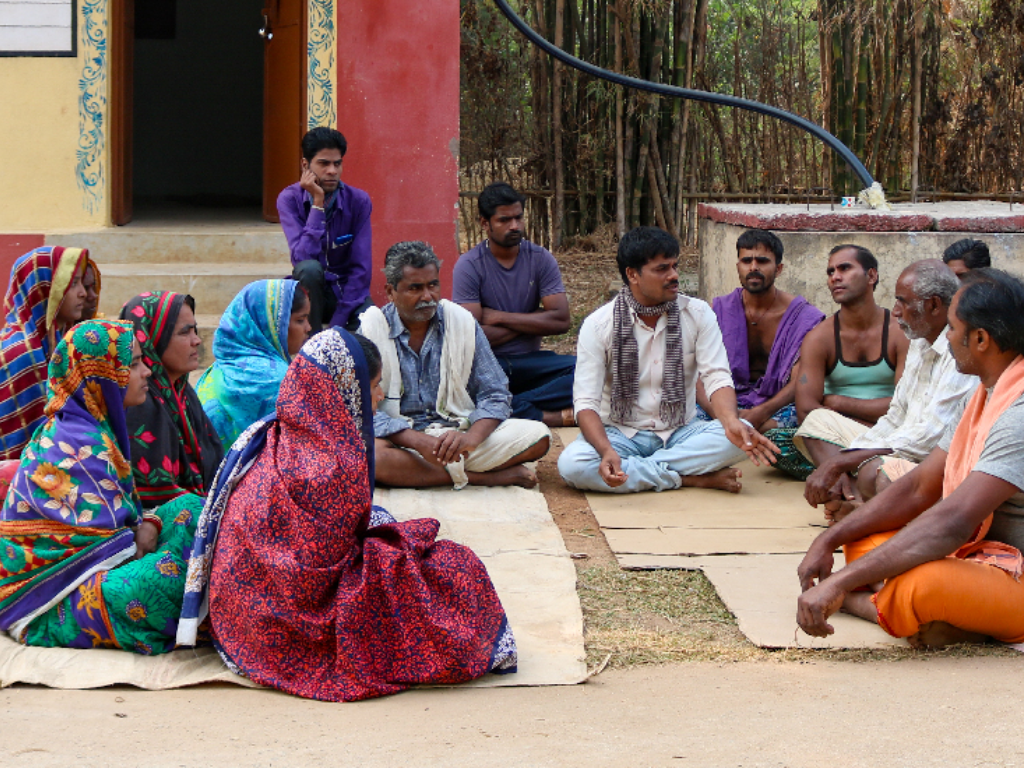
Qualitative data collection methods include in-depth interviews (IDIs), focus group discussions (FGDs), key informant interviews (KIIs), and participatory rural appraisal (PRA) techniques. Longitudinal studies—essential for impact evaluation—benefit from our participant tracking systems, which use mobile phone contact databases, community liaison networks, and GPS coordinates to minimize attrition across survey rounds.
Technology Stack: CAPI, CATI, and Sensor-Based Tools
Computer-Assisted Personal Interviewing (CAPI) is our standard for face-to-face field data collection. Enumerators use Android tablets or smartphones programmed with survey instruments on platforms including SurveyCTO, ODK (Open Data Kit), and CommCare. CAPI systems enable complex skip logic, real-time validation checks, multimedia capture, and automatic data encryption and upload to secure servers.
Computer-Assisted Telephone Interviewing (CATI) infrastructure supports remote data collection through call centers or decentralized telephonic surveys, including call scheduling, audio recording for quality audits, and automated callback logic. We deploy CATI for follow-up surveys, hard-to-reach urban populations, and situations where in-person enumeration is constrained.
Beyond standard survey tools, we integrate sensor-based and observational data collection methods, including mobile applications capturing time-stamped observations and environmental monitors measuring water quality when studies require objective measurement alongside self-reported data.
Quality Assurance and Data Integrity Protocols
Enumerator Training and Certification Process
Quality begins with enumerator selection and training. Candidates undergo a multi-stage screening process assessing educational qualifications, prior survey experience, language proficiency, and interpersonal skills. Selected enumerators participate in structured training programs lasting 3–7 days depending on study complexity, covering research ethics and informed consent, questionnaire content and flow, CAPI platform operation, and sensitive topic protocols.
Training includes both classroom instruction and field piloting, with only enumerators who demonstrate competency in pilot exercises and pass written assessments certified for fieldwork. For specialized studies—such as anthropometric measurement—we provide additional technical training and certification. Refresher trainings occur at regular intervals during long-duration studies.
Real-Time Data Quality Monitoring
High-frequency checks (HFCs) form the backbone of our real-time data quality monitoring. As enumerators upload survey data, automated scripts and manual review processes flag anomalies: incomplete surveys, illogical response patterns, GPS coordinates outside target enumeration areas, and interview durations significantly shorter or longer than expected. These checks generate quality reports for field supervisors and central research teams, enabling immediate corrective action.
GPS validation protocols verify that interviews occurred at intended locations, cross-referencing enumerator GPS coordinates with sampled household lists. Field supervisors conduct spot checks, accompanying enumerators unannounced to observe interviews and verify adherence to protocols.
Back-Checks and Validation Procedures
Back-checks involve re-interviewing a random sample of respondents to verify that interviews occurred and key responses were recorded accurately, typically on a portion of completed surveys, administered by independent enumerators not involved in the original data collection. High disagreement rates between original and back-check responses trigger investigation and enumerator retraining.
Data cleaning protocols follow standardized operating procedures aligned with international best practices—recoding inconsistent values, imputing missing data using documented rules, and constructing derived variables, with cleaning logs tracking every modification for transparency and reproducibility.
Adherence to research ethics is non-negotiable. All studies receive internal ethics review, and we support clients in obtaining Institutional Review Board (IRB) approval when required. Informed consent is documented through written signatures or audio recording, and respondents retain the right to refuse participation or withdraw at any time.
Sectors and Populations We Serve
Outline India has conducted field data collection across the breadth of development programming. In **health**, we have enumerated beneficiaries for maternal and child nutrition interventions, WASH programs, and primary healthcare strengthening projects. **Education** sector studies include school censuses, learning assessments, and evaluations of remedial and digital learning interventions. **Livelihoods and economic inclusion** work spans financial inclusion programs, agricultural extension services, and vocational training evaluations.
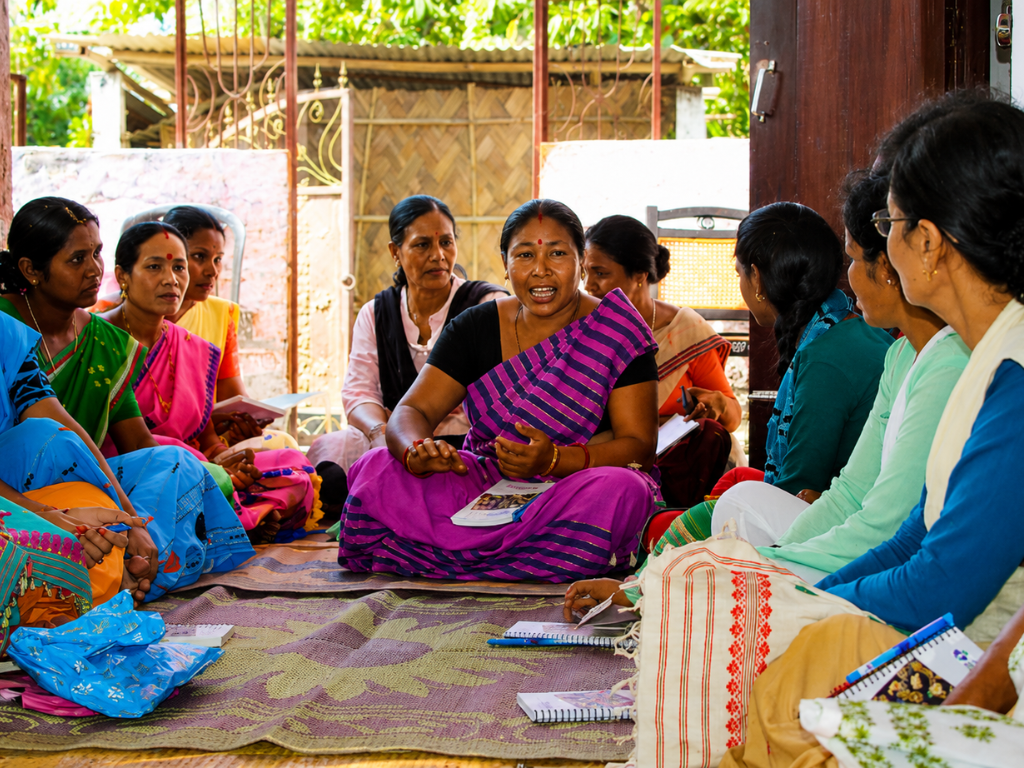
We have experience conducting primary data collection with populations that present methodological and operational challenges: migrant workers requiring flexible survey timing and mobile phone tracking; tribal and indigenous communities requiring cultural sensitivity and engagement with traditional leadership structures; and surveys with women and adolescent girls benefiting from female enumerators who create safe interview spaces for sensitive topics.
Urban and rural contexts present distinct operational requirements. Rural field operations contend with geographic dispersion, seasonal inaccessibility, and limited mobile network coverage requiring offline data collection. Urban enumeration—particularly in informal settlements—involves high population density and privacy challenges, requiring urban-specific tracking protocols including multiple contact numbers and neighbor references.
Why Organizations Choose Outline India for Field Data Collection
Methodological Rigor and Research Design Support
Clients engage Outline India not merely as a data collection vendor but as a research partner. Our team includes trained researchers, statisticians, and sector specialists who collaborate on sampling design, questionnaire development, and analytical frameworks. We support power calculations to ensure adequate sample sizes for detecting program effects and advise on survey timing to minimize seasonality bias or respondent fatigue.
For impact evaluations requiring randomized controlled trial (RCT) designs, we support randomization protocols and treatment-control matching. For monitoring and evaluation, we configure data collection schedules to capture process indicators and outcome measures aligned with program theories of change.
End-to-End Project Management
From sampling frame development to final dataset delivery, we manage the complete field data collection lifecycle, including timeline development, enumerator recruitment and training, field logistics coordination, quality monitoring, data cleaning and documentation, and reporting. Clients receive regular progress updates during active fieldwork, with dashboards showing enumeration completion rates and quality metrics.
Post-fieldwork, we provide comprehensive documentation: enumerator training materials, quality monitoring reports, back-check results, data cleaning logs, and codebooks.
Data Security and Ethical Standards
We adhere to data security and ethical standards intended to meet donor compliance requirements. Data encryption begins at the point of collection, with CAPI devices transmitting encrypted data over secure channels to servers with role-based access controls. Personally identifiable information (PII) is stored separately from survey responses and de-identified for analysis datasets.
Our commitment to research ethics extends beyond formal compliance. Enumerators are trained to recognize and respond to respondent distress, provide referral information for support services when appropriate, and uphold confidentiality even in close-knit communities where anonymity is challenging.
Field Data Collection: Our Track Record
Over more than a decade of operations, Outline India has collected primary data across India's diverse states, demonstrating capacity to mobilize field teams, maintain quality across geographically dispersed operations, and deliver within compressed timelines.
We maintain field presence in states including Uttar Pradesh, Bihar, Madhya Pradesh, Rajasthan, Maharashtra, Karnataka, Tamil Nadu, West Bengal, Odisha, Assam, Gujarat, Jharkhand, Chhattisgarh, Andhra Pradesh, Telangana, Kerala, Punjab, Haryana, Himachal Pradesh, Uttarakhand, and union territories including Delhi and Puducherry. This geographic footprint, combined with our enumerator network's linguistic and cultural competence, positions us to execute studies across India's diverse contexts.
Our methodological rigor, quality assurance infrastructure, and operational scale enable us to serve as a credible field data collection partner for evidence-based decision-making in India's development sector.
---
Discuss Your Field Data Collection Requirements
Whether you require baseline data for an impact evaluation, process monitoring for program implementation, or rapid assessment in specific geographies or populations, Outline India's field data collection capabilities can be configured to your research objectives and timelines. Our team is available to discuss sampling strategies, quality protocols, compliance requirements, and project feasibility.



David Angel Makel
IT ConsultantIt is a long established fact that a reader will be distracted by the readable content page looking at its layout point of using normal